
The Dawn of a New Era in Dental Care
The landscape of dental care is experiencing a remarkable transformation, with practitioners increasingly embracing innovative treatments that extend beyond traditional cavity fillings and routine cleanings. Among these groundbreaking approaches, the integration of Botox Tunbridge Wells has emerged as a particularly fascinating development, offering patients relief from various oral health conditions through sophisticated micro-relaxation techniques.
Dental professionals across the United Kingdom are discovering that this versatile treatment modality can address numerous conditions that were previously challenging to manage effectively. From chronic jaw pain to excessive grinding, the applications continue to expand as practitioners develop greater expertise in these advanced therapeutic approaches.
Understanding the Science Behind Dental Botox Applications
The mechanism by which botulinum toxin functions in dental applications relies on its ability to temporarily relax overactive muscles responsible for various oral health complications. When administered by qualified dental professionals, these precise injections target specific muscle groups that contribute to conditions such as temporomandibular joint disorders, bruxism, and facial pain syndromes.
The treatment works by blocking nerve signals that cause excessive muscle contractions, allowing the affected areas to relax and heal naturally. This approach represents a significant advancement from traditional management methods, offering patients a minimally invasive alternative that can provide substantial relief from chronic discomfort.
Primary Dental Conditions Treated with Botox Therapy
Temporomandibular Joint Disorders
Patients suffering from TMJ disorders often experience debilitating pain, clicking sounds, and restricted jaw movement that can significantly impact their quality of life. Botox applications in dental practice have shown remarkable success in addressing these symptoms by targeting the masseter and temporalis muscles responsible for jaw tension.
The treatment typically involves strategic injections that reduce muscle hyperactivity whilst maintaining normal jaw function for essential activities such as speaking and eating. Many patients report noticeable improvements within days of treatment, with effects lasting several months.
Bruxism and Teeth Grinding
Nocturnal teeth grinding affects millions of individuals, often leading to worn tooth surfaces, headaches, and jaw fatigue. Traditional approaches involving night guards provide protection but do not address the underlying muscle tension causing the grinding behaviour. For those seeking Botox Tunbridge Wells, dental practices are now offering targeted interventions that directly address the root cause of grinding by relaxing the relevant jaw muscles.
Facial Pain and Tension Headaches
Chronic facial pain often stems from muscle tension that radiates throughout the head and neck region. Dental practitioners have found that strategic botulinum toxin applications can provide significant relief for patients experiencing persistent discomfort. Botox treatments for dental and facial pain have become increasingly sophisticated, with practitioners developing precise injection techniques that target specific trigger points.
The treatment proves particularly effective for patients whose pain originates from overactive jaw muscles or tension patterns that develop due to stress, poor posture, or habitual clenching behaviours. Many individuals find that addressing these muscular components provides comprehensive relief that extends beyond their oral health concerns.
The Treatment Process and Patient Experience
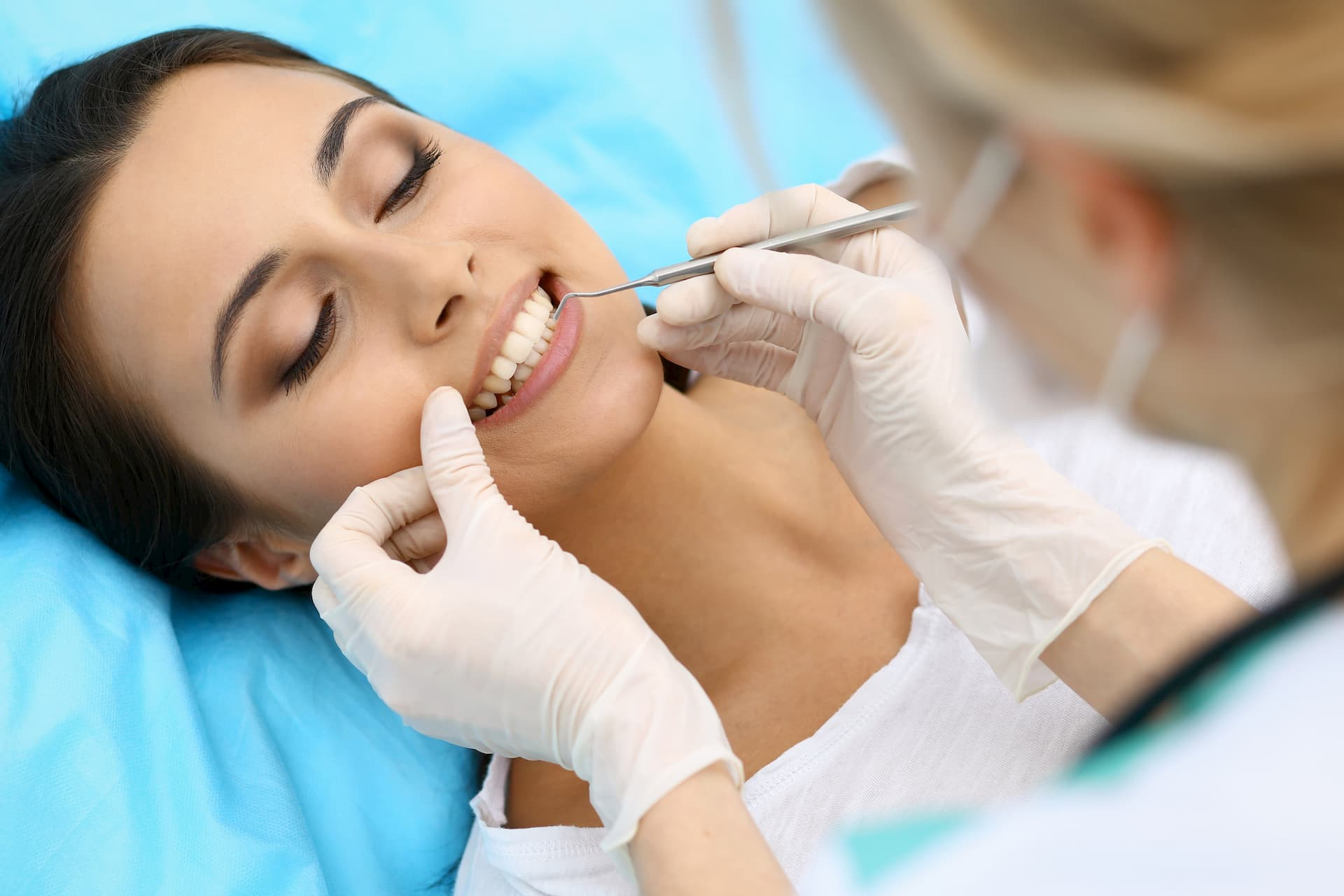
The administration of botulinum toxin in dental settings follows rigorous protocols designed to ensure patient safety and optimal outcomes. Initial consultations involve comprehensive assessments of muscle function, pain patterns, and treatment goals. Qualified dental professionals conduct thorough examinations to identify the most appropriate injection sites and determine suitable dosages for each individual case.
The actual treatment process typically requires only a brief appointment, with most patients experiencing minimal discomfort during the procedure. The micro-injections are performed using fine needles, and many practitioners apply topical anaesthetic to enhance patient comfort. Recovery time is generally minimal, allowing patients to resume normal activities shortly after treatment.
Long-term Benefits and Considerations
Patients often discover that regular botulinum toxin treatments provide cumulative benefits that extend beyond immediate symptom relief. Understanding comprehensive dental Botox applications reveals how consistent treatment can help retrain muscle patterns and reduce the likelihood of symptom recurrence.
The duration of effects varies among individuals, with most patients experiencing benefits for three to six months following treatment. Some individuals find that subsequent treatments require lower doses as their muscle patterns gradually improve over time.
Future Prospects in Dental Botox Applications
The integration of botulinum toxin therapy into dental practice represents just the beginning of a broader evolution in oral healthcare approaches. As practitioners continue developing expertise in these techniques, patients can expect increasingly refined treatment protocols that address complex conditions with greater precision and effectiveness. This innovative approach exemplifies how modern dentistry continues expanding its scope to provide comprehensive care that addresses both functional and comfort aspects of oral health.